Safety
Phytomem Side Effects: Ingredient Warnings to Know
Quick answer
Phytomem One side effects come from its six named ingredients.
Berberine carries the strongest warnings: it interacts with cyclosporine, is likely unsafe for infants and may be unsafe in pregnancy. Kelp adds iodine, and cinnamon matters if you take diabetes medication.
Ask a doctor first if you take any prescription; see who should check first.
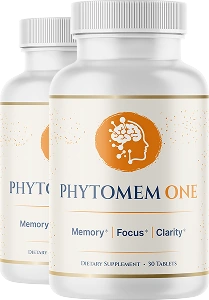
Is Phytomem One safe?
No side effect list was supplied for this product, and no safety study of the finished tablet exists in the material provided. What can be described is the safety record of the six named ingredients, and one of them carries warnings worth reading twice.
For healthy adults 18 and over. Talk to a doctor before use if you take medicine, are pregnant or nursing, or have a medical condition. Do not take more than the label says. Keep out of the reach of children.
The rest of this page works through the other five ingredients and the practical questions a buyer should settle before the first tablet.
Berberine in Phytomem: the warnings that matter most
Reported side effects
NCCIH lists nausea, abdominal pain, bloating, constipation and diarrhea among berberine's side effects (NCCIH, 2023). Those are the common complaints, and they are the reason the direction says to take the tablet with food.
The cyclosporine interaction
Cyclosporine is used after organ transplants and for some immune conditions. Berberine interacts with it, which can change how much of the drug stays in the body. Anyone taking cyclosporine should treat this product as off limits unless their transplant team says otherwise.
Infants, pregnancy and breastfeeding
Berberine exposure has been linked to a harmful build-up of bilirubin in infants. Because of that, it is described as likely unsafe for infants and may be unsafe in pregnancy and while breastfeeding. This is the clearest do-not-use group for the whole formula.
What the weight research shows
A 2022 analysis found decreases in weight and BMI with berberine, and NCCIH notes that many of those studies had a high risk of bias. That matters here for a different reason: it confirms berberine is a metabolic ingredient sitting inside a memory product.
Ingredient by ingredient: Phytomem safety at a glance
Each row below pairs a named ingredient with what is reported about it and with the people who should not take it without medical advice.
| Ingredient | What is reported | Who should avoid it or ask first |
|---|---|---|
| Berberine HCl | Nausea, abdominal pain, bloating, constipation or diarrhea (NCCIH, 2023) | Anyone taking cyclosporine. Infants. Pregnant and breastfeeding women. |
| Ceylon cinnamon bark | Studied for fasting blood glucose and insulin resistance, so blood sugar may move (NCCIH, 2023) | Anyone on diabetes medicine, without a doctor's view first. |
| Saffron extract | At 5 g or more, vomiting, dizziness and other effects (Operation et al., accessed 2026) | Pregnant women. The Defense Department review says they should avoid saffron supplements. |
| Fucoxanthin | Kelp-sourced iodine adds to daily intake; the adult upper limit is 1,100 mcg (NIH ODS) | Anyone with a thyroid condition or already taking iodine or kelp. |
| Fucoidan | From the same seaweed, so the same iodine question applies. Human safety data in healthy adults are thin | Anyone with a thyroid condition, and anyone on blood thinners should ask first. |
| Oleuropein | Limited human data. No federal fact sheet describes a side effect profile | Anyone on blood pressure or blood sugar medicine should mention it to a clinician. |
Kelp, iodine and the thyroid in Phytomem One
Two of the six ingredients, fucoxanthin and fucoidan, come from Japanese sea kelp. Kelp concentrates iodine from seawater, and supplements made from it carry that iodine along.
The upper limit for adults is 1,100 mcg of iodine a day, and high intakes can cause thyroid inflammation (NIH ODS). The thyroid can react to too much iodine as well as to too little.
This is a fair question for the order desk. Call +1 (302) 200-3480 and ask for the iodine content per tablet before you order.
Phytomem and diabetes medicine: why two ingredients overlap
Berberine and Ceylon cinnamon are both studied for blood sugar. That is unusual in a memory product, and it creates the most likely real-world interaction in the bottle.
Cinnamon supplementation helped reduce fasting blood glucose and insulin resistance in prediabetes and type 2 diabetes, with study quality that varied (NCCIH, 2023). NCCIH also warns that herbal supplements taken with diabetes drugs can cause unwanted effects.
- Tell your doctor before the first tablet if you take metformin, a sulfonylurea or insulin
- Watch for the signs of low blood sugar: shakiness, sweating, confusion or sudden hunger
- Do not change a prescription dose because you started a supplement
- Bring the bottle to your next appointment so the full ingredient list is on record
Ceylon cinnamon is the low-coumarin type, which is the safer of the two common cinnamons for the liver. That is a point in the formula's favor, and it does not remove the medicine question.
Saffron doses and pregnancy in Phytomem One
The Defense Department's supplement safety program reviewed saffron and found there is not enough evidence on effectiveness and long-term safety (Operation et al., accessed 2026). Extracts of 20 to 100 mg could help depression symptoms, and larger trials are still needed.
Two practical points come out of that review. Doses of 5 g or more cause vomiting, dizziness and other effects, and pregnant women should avoid saffron supplements.
The amount of saffron extract in a tablet is not published, so neither point can be checked against this product. That is another reason to read the label breakdown before deciding.
- The saffron amount per tablet is not published
- No standardization figure was supplied for the extract
- Long-term safety is described as not well established
- Pregnancy is a clear avoid, from two separate ingredients
Who should not take Phytomem One?
The label is written for healthy adults 18 and over. The ingredient warnings narrow that further.
- Anyone under 18, and infants in particular
- Pregnant women and anyone breastfeeding
- Anyone taking cyclosporine
- Anyone on diabetes medicine, unless a doctor has approved it
- Anyone with a thyroid condition, until iodine intake has been discussed
- Anyone with a known allergy who cannot check an allergen statement
If you take any prescription at all, a pharmacist can screen the six names in a few minutes. See who the product is aimed at for the fuller picture, and remember that memory changes deserve a real check-up rather than a purchase.
What to do if Phytomem One disagrees with you
Stop the tablet
Do not push through a reaction to see whether it settles. One tablet a day is not a dose worth defending.
Get medical advice
Call your clinician. Describe the reaction, and read out the six ingredient names from the bottle.
Keep the bottle
Hold on to the packaging, the lot code and any remaining tablets. Reference lot PHY-26/PH-5968 helps match your order.
Call the order desk
Ring +1 (302) 200-3480 with your order ID. Report the reaction and ask about the 60-day return window.
Results vary from person to person. No result or timeline is guaranteed. These statements have not been evaluated by the Food and Drug Administration. This product is not intended to diagnose, treat, cure, or prevent any disease.
Phytomem safety questions, answered plainly
What are the side effects of Phytomem One?
None are published for the tablet itself. The known effects come from berberine, which NCCIH links to nausea, abdominal pain, bloating, constipation and diarrhea. The other five ingredients have thinner safety records.
Can I take Phytomem One while pregnant or breastfeeding?
No. Berberine exposure has been linked to a harmful build-up of bilirubin in infants and may be unsafe in pregnancy and breastfeeding, and the Defense Department review says pregnant women should avoid saffron supplements.
Does Phytomem One interact with any medicine?
Berberine interacts with cyclosporine. Berberine and cinnamon are both studied for blood sugar, which matters alongside diabetes medicine. Take the full ingredient list to your pharmacist before starting.
Is Phytomem One safe for people with thyroid problems?
Ask a doctor first. Two ingredients come from Japanese sea kelp, and kelp carries iodine. The amount in a tablet is not published, so the daily total cannot be worked out.
Can children take Phytomem One?
No. The label is for healthy adults 18 and over, and berberine is described as likely unsafe for infants. Keep the bottle out of reach of children.
What should I do if I feel unwell after a tablet?
Stop taking it and speak to a clinician. Keep the bottle and the lot code. Then call +1 (302) 200-3480 with your order ID so the reaction is recorded.
Is it safe to take more than one tablet a day?
No. The direction is one tablet daily with food. Taking more does not improve anything and it raises every risk on this page.
References
- National Center for Complementary and Integrative Health (2023). Berberine and Weight Loss: What You Need To Know.
- National Center for Complementary and Integrative Health (2023). Diabetes and Dietary Supplements: What You Need To Know.
- NIH Office of Dietary Supplements (2024). Iodine: Fact Sheet for Consumers.
- Operation Supplement Safety, U.S. Department of Defense (accessed 2026). Saffron in dietary supplements.
Ready when you are
Order Phytomem from the authorized outlet
Packs of several sizes, priced on the secure checkout. Every order carries the money-back guarantee printed on the listing. Questions first? Call +1 (302) 200-3480.

Keep reading
Phytomem Ingredients
The six named ingredients, what each one is actually studied for, and the amounts the bottle never prints.
Read →LabelPhytomem Supplement Facts
What the Phytomem One packaging prints, and the long list of label details that were never supplied.
Read →SuitabilityWho Phytomem Is For
Healthy adults 18+, and the groups who need a doctor's view first: diabetes medicine, cyclosporine, thyroid, pregnancy.
Read →