Label
Phytomem Supplement Facts: What the Bottle Shows
Quick answer
The Phytomem One bottle shows 30 tablets, one tablet daily with food, and six named ingredients.
Milligram amounts, other ingredients, an allergen line and a maker address are not shown yet. Read the panel on the bottle you receive, and call the order desk if anything differs.
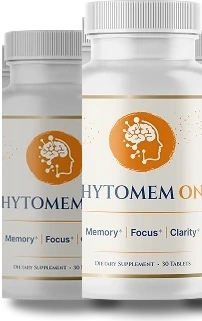
What does the Phytomem One label show?
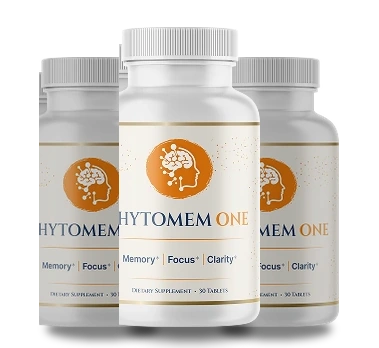
The bottle carries a short front panel and nothing more was supplied. It names the product, three starred words, the form and the count.
Here is that information laid out the way a Supplement Facts panel would normally present it, with the empty column left honestly empty.
What the label shows
30 tablets · serving size 1 tablet a day · amounts per serving: not published
| Named ingredient | Amount per serving |
|---|---|
| Saffron extract (Crocus sativus L., stigmas) | amount not published |
| Fucoxanthin (from Japanese sea kelp) | amount not published |
| Fucoidan (from Japanese sea kelp) | amount not published |
| Oleuropein (olive leaf extract) | amount not published |
| Berberine HCl (from plants such as barberry and goldenseal) | amount not published |
| Ceylon cinnamon bark (Cinnamomum verum) | amount not published |
No Supplement Facts panel was supplied with this product, so no milligram figures, no other-ingredients line and no allergen statement can be printed here. Read the panel on the bottle you receive, and call +1 (302) 200-3480 if anything on it differs from this page.
What is actually printed on the Phytomem bottle?
Six lines. That is the whole of the confirmed label information, and every one of them comes from the bottle front or the sales page.
Nothing in the list is a dose, a strength or a safety statement. The three starred words are the product's marketing promise, written in the structure-function style that supplement labels use.
| Label element | What it says |
|---|---|
| Product name | Phytomem One, printed under a gold head-and-leaf mark |
| Front claims | Memory*, Focus* and Clarity*, each carrying an asterisk |
| Form | Dietary Supplement, tablet. Not a gummy, capsule or liquid |
| Count | 30 tablets per bottle, which is 30 days at one a day |
| Directions | Take one tablet daily with food, as shown on the sales page. |
| Named ingredients | Saffron extract, Fucoxanthin, Fucoidan, Oleuropein, Berberine HCl, Ceylon cinnamon bark |
The asterisks matter. They point to the federal disclaimer that this product is not intended to diagnose, treat, cure or prevent any disease.
How does the Phytomem label compare with a normal panel?
A Supplement Facts panel follows a fixed shape. Six parts are expected, and a buyer can usually read all six in under a minute.
Measured against that shape, this product supplies one part and leaves five blank. The table below shows where each one stands.
| What a panel normally carries | What this product supplies | Status |
|---|---|---|
| Serving size and servings per container | Partly. The sales page says 1 tablet a day, and the bottle holds 30. | Confirmed |
| Amount per serving for each ingredient | No figure appears for any of the six named ingredients. | Missing |
| Percent Daily Value, where one exists | None shown. Iodine from kelp would normally carry one. | Missing |
| Other ingredients line | No binders, coatings or colors are listed anywhere. | Missing |
| Allergen statement | Not supplied, even though free-from seals appear on the pack. | Missing |
| Name and address of the firm | No manufacturer, packer or distributor is printed on the images. | Missing |
The comparison is not a verdict on the tablet. It is a description of how much a reader can check before buying, and the answer is very little.
What the Phytomem label does not print
This is the honest half of the page, and it is longer than the printed half. Each row below is a normal label detail that was never supplied.
None of this means the bottle you receive lacks a panel. It means this site was not given one, and will not invent the numbers that belong on it.
| Missing detail | Status | Why it matters |
|---|---|---|
| Amounts per serving | No milligram figure for any of the six ingredients | You cannot compare a dose to any published study |
| Other ingredients | No binder, filler, color or coating line was supplied | Nobody can check the tablet against a sensitivity |
| Allergen statement | Not supplied, despite gluten-free and dairy-free seals | The seals stay claims this site cannot verify |
| Manufacturer or distributor | No company name and no address on the images | There is no maker to contact about a batch |
| Expiry and lot on pack | Not shown on any supplied product image | Freshness cannot be judged before delivery |
| Iodine content | Not stated, though two ingredients come from sea kelp | Anyone watching iodine has no number to work with |
| Research on the formula | No study of the finished tablet was supplied | Front-of-bottle wording rests on ingredient names alone |
Why the missing Phytomem amounts change things
A missing panel is not a small paperwork gap. It removes the one thing that would let a reader check the product against published research.
Iodine intake above the adult upper limit can cause thyroid inflammation (NIH ODS). That is one reason an unpublished seaweed amount is worth asking about.
How to read the panel on your own Phytomem bottle
The printed label is the legal document. Five minutes with the bottle answers most of what this page cannot.
Find the panel
Turn the bottle. The Supplement Facts panel is usually on the back or the side, under the directions.
Check the serving size
It should read 1 tablet. If it reads more, the 30-tablet bottle will not last 30 days.
Read the amounts
Write down the milligram figure beside each of the six names. Take that list to any medical appointment.
Read the other ingredients
This is where coatings, binders and colors appear. Check it against anything you avoid.
Check the lot and expiry
Compare them with the order paperwork. Reference lot PHY-26/PH-5968 is a matching code, not a test result.
Call if anything differs
Ring +1 (302) 200-3480 with your order ID. Keep the bottle and the packaging until the call is settled.
What the seals on the Phytomem packaging mean
Ten badges appear around the product images. They are design marks placed by the seller, and this site describes them without endorsing any of them.
A badge is quick to print and hard to check. None of the ten came with a certificate number, an auditing body or a date, so read them as claims rather than as findings.
 FDA-registered facility
 GMP practices
 Made in the USA
 Natural ingredients
 Non-GMO
 Gluten-free
 Dairy-free
 Vegetarian
 Doctor formulated
 60-day money-back
- FDA-registered facility means a facility filed a registration. It is not FDA approval of the product.
- GMP describes manufacturing practices. No certificate or auditor name was supplied.
- Gluten-free, dairy-free and vegetarian are seal claims with no allergen statement behind them.
- Doctor formulated names no doctor, so there is no credential to check.
- The money-back badge reflects a 60-day purchase policy, not a health outcome.
More detail sits on the testing and quality page, including what a lot number can and cannot prove.
What to ask the Phytomem order desk
The order desk on +1 (302) 200-3480 handles orders, tracking and refunds. It is the right place for label questions before you buy.
- Can you send a photo or PDF of the Supplement Facts panel?
- What is the milligram amount of berberine and of saffron extract per tablet?
- How much iodine does one tablet carry from the sea kelp ingredients?
- Is there an allergen statement, and what does it say?
- Which company manufactures the tablets, and where?
Keep the answers in writing. If you take prescription medicine, hand that list to your pharmacist before the first tablet, and read the safety page first. Anyone taking diabetes medicine has a real reason to ask, because two ingredients are studied for blood sugar.
Phytomem label questions buyers ask
Where is the Phytomem One Supplement Facts panel?
It was not supplied to this site. The product images show the bottle front and the marketing graphics, and none of them includes a readable panel. The bottle you receive should carry one.
How many milligrams of each ingredient are in a tablet?
Not published. With no panel, there is no figure for saffron, berberine, cinnamon, oleuropein, fucoxanthin or fucoidan. This site will not estimate an amount it cannot confirm.
What is the serving size?
One tablet a day, taken with food, as the sales page describes. A 30-tablet bottle therefore covers 30 days at that rate.
Does the label list allergens?
No allergen statement was supplied. The packaging carries gluten-free and dairy-free seals, but a seal is a marketing mark, not the federal allergen line.
Who manufactures Phytomem One?
Not published. No manufacturer or distributor name and address appears on the product images. Phytomemdaily is a retail desk, not the maker.
Is there an expiry date or lot code on the images?
No. The expiry is not shown on the product images. Lot PHY-26/PH-5968 and CoA PHY-5968-26-PH are reference labels for matching an order, not proof of testing.
What should I do if the bottle I receive differs from this page?
Trust the bottle. The printed panel is the legal label and it wins over any web page. Then call +1 (302) 200-3480 so the difference is on record.
References
- NIH Office of Dietary Supplements (2024). Iodine: Fact Sheet for Consumers.
Ready when you are
Order Phytomem from the authorized outlet
Packs of several sizes, priced on the secure checkout. Every order carries the money-back guarantee printed on the listing. Questions first? Call +1 (302) 200-3480.

Keep reading
Phytomem Ingredients
The six named ingredients, what each one is actually studied for, and the amounts the bottle never prints.
Read →SafetyPhytomem Side Effects
Berberine, kelp iodine, cinnamon and saffron: the real warnings that travel with this formula.
Read →QualityPhytomem Testing & Quality
The ten seals on the pack read one by one, plus the lab report, allergen statement and facts panel that are missing.
Read →