Guide
Phytomem Memory and Aging Guide for Adults
Quick answer
Most memory change with age is ordinary: slower recall of names, a misplaced set of keys, needing a list. What protects thinking is unglamorous. Sleep, treated hearing and vision, controlled blood pressure and blood sugar, regular movement and real company. Supplements sit last, and no supplement has been shown to prevent cognitive decline.

What does this Phytomem memory and aging guide cover?
It covers the eight things that shape memory for most adults, in the order a clinician would raise them. The supplement question comes last because that is where the evidence puts it.

What does normal age-related memory change look like?
Slower, not lost. Names arrive a beat late, the word is on the tip of your tongue, and a list helps where it once did not.
The difference that matters is interference. Ordinary change is annoying. Change that stops you driving safely, paying bills or taking medicine correctly is a different question.
| Usually ordinary | Worth a doctor's look |
|---|---|
| Forgetting a name and recalling it later | Forgetting the names of close family |
| Misplacing keys and retracing your steps | Finding keys in odd places with no memory of putting them there |
| Needing a shopping list | Repeating the same question within an hour |
| Walking into a room and pausing | Getting lost on a familiar route |
| Slower recall under pressure | Trouble following a recipe or a bill you used to manage |
| Occasional word-finding pauses | Changes other people notice before you do |
Nothing in the right-hand column means dementia. It means an appointment, because several causes of that column are treatable.
How much does sleep affect memory?
More than most people expect, and it is the fastest thing on this list to change. Memory is consolidated during sleep, so a short night costs you recall the next day.
Untreated sleep apnea is the one to raise by name. Loud snoring, gasping at night and daytime sleepiness are worth mentioning at an appointment, because treatment exists.
Why do hearing and vision matter for memory?
Because a brain that cannot hear or see clearly spends its effort on straining. What is left over for listening, following and remembering is smaller.
Hearing loss also shrinks conversation. People withdraw from noisy rooms, and lost company is its own risk to thinking.
- Book a hearing test if you turn the television up, or ask people to repeat themselves often.
- Wear the hearing aids you already own. Drawers are full of ones that were never worn in.
- Have your eyes checked on schedule, and mention cataracts if headlights now dazzle you.
- Get glasses updated. An old prescription makes reading tiring and reading is practice.
What do blood pressure and blood sugar have to do with memory?
The brain runs on blood vessels, so what damages vessels over decades shows up in thinking. High blood pressure and high blood sugar are the two most commonly managed.
Both are usually silent, which is why they are measured rather than felt. Your targets are set by your doctor and depend on your own health.
| What to do | How often | Why it belongs here |
|---|---|---|
| Have blood pressure measured | At least yearly, more if treated | Long-running high pressure damages small vessels in the brain. |
| Take prescribed medicine as directed | Every day | Stopping because you feel fine is the common and costly mistake. |
| Have blood sugar checked if advised | As your doctor sets | Diabetes is linked to cognitive risk and is treatable. |
| Review your medicine list | Yearly | Some prescriptions cause fog. A pharmacist can flag them. |
| Ask about cholesterol and smoking | At review | Both act on the same vessels over years. |
A supplement studied for blood sugar is not a substitute for any of this. It is not the same as treated blood sugar, and it is not measured.
Does exercise help memory?
Regular movement is one of the better-supported habits for thinking as people age. It also improves sleep, blood pressure and mood, which each feed back into memory.
The type matters less than the repeating. Walking, gardening, swimming and dancing all count, and so does carrying the shopping.

- Pick something you can do from your own front door.
- Attach it to a fixed cue, such as after breakfast.
- Build up slowly if you have been still for a while.
- Add some strength work, even bags and stairs, twice a week.
- Ask your doctor first if you have heart or joint problems.
Does social contact matter for memory?
Company is demanding in a useful way. Conversation asks you to listen, recall, follow and reply, which is harder work than most puzzles.
Isolation tends to arrive quietly, through a lost driving licence, a bereavement or untreated hearing loss. It is worth noticing early.
- Keep one fixed weekly thing with other people in the diary.
- Treat hearing loss so noisy rooms stay bearable.
- Learn something with other people rather than alone, if you have the choice.
- Volunteering counts. So does a regular card game or a choir.
When should you see a doctor about memory?
Sooner than most people go. Any change that other people notice, that affects safety, or that came on over days rather than years deserves an appointment.
New confusion over hours or days is not a memory question at all. That is urgent care, because infection, medicine and other causes can look like it.
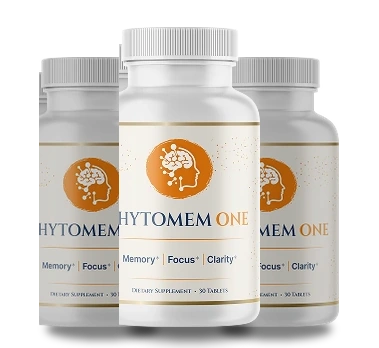
Where do supplements like Phytomem fit into memory and aging?
Last, and optionally. NCCIH's review of supplements for cognitive function reports that no supplement has been shown to prevent cognitive decline or dementia (NCCIH, 2024).
Phytomem names six ingredients: saffron extract, fucoxanthin, fucoidan, oleuropein, berberine HCl and Ceylon cinnamon bark. Berberine and cinnamon are best known for blood sugar work, fucoxanthin appears mostly in weight products, and saffron's human research is about mood.
Pros
- The label names every ingredient rather than hiding them in a blend name
- One tablet a day with food is simple to keep
- A 60-day money-back window from purchase
Cons
- No Supplement Facts panel was supplied, so amounts are not published
- No research on the finished formula was supplied
- The ingredients do not match the memory claim on the front of the bottle
- Interactions to clear first: cyclosporine, diabetes medicine, thyroid conditions
If you want the checklist version, the buyer checklist page applies it to this product line by line. Read who it is for before you order anything.
Memory and aging questions this guide gets asked
Is forgetting names a sign of dementia?
On its own, usually not. Slower recall of a name you later retrieve is common with age. The signs worth checking are the ones that interfere with driving, bills, cooking or medicine.
Can a supplement prevent dementia?
No supplement has been shown to prevent cognitive decline or dementia (NCCIH, 2024). Any product promising that is making a claim the evidence does not support.
Does poor sleep really affect memory?
Yes, and it is one of the few factors you can change this week. A tired brain encodes and retrieves badly, and untreated sleep apnea makes it worse.
Why does hearing loss come up in memory advice?
Because straining to hear takes effort away from listening and understanding, and it cuts people off from conversation. A hearing test is quick and often overdue.
What blood pressure number should I aim for?
That target belongs to your doctor, not to a website. What matters here is that it is measured regularly and treated when it needs treating.
How much exercise is worth doing?
Whatever you will actually repeat. A daily walk you keep beats a gym plan you abandon in February, and it is easier to add to an existing routine.
When should someone see a doctor about memory?
When the changes are noticed by other people, when they affect safety, or when they came on quickly. New confusion over days or hours is urgent, not a waiting-room matter.
Where does Phytomem fit into all this?
At the very end of the list, as an optional extra. Its ingredients are best known for blood sugar, weight and mood rather than memory, and no research on the finished formula was supplied.
References
- National Center for Complementary and Integrative Health (2024). Cognitive Function, Dementia, and Alzheimer's Disease: What Does the Science Say?.
Ready when you are
Order Phytomem from the authorized outlet
Packs of several sizes, priced on the secure checkout. Every order carries the money-back guarantee printed on the listing. Questions first? Call +1 (302) 200-3480.

Keep reading
Choosing a Memory Supplement
A six-step buyer checklist, then the same checklist applied to Phytomem without flattering it.
Read →SuitabilityWho Phytomem Is For
Healthy adults 18+, and the groups who need a doctor's view first: diabetes medicine, cyclosporine, thyroid, pregnancy.
Read →BlogSupplements and Memory
No supplement has been shown to prevent cognitive decline. Here is what does have support, and how to weigh a memory tablet against it.
Read →