Blog
Supplements and Memory: What the Science Says About Phytomem
Quick answer
NCCIH's review of supplements for thinking and memory reports that no supplement has been shown to prevent cognitive decline or dementia. Sleep, physical activity, blood pressure control and treating hearing loss carry far more support than any capsule. Phytomem One is a tablet whose six named ingredients are studied mostly for other things.
What did the review of memory supplements find?
It found nothing to hang a prevention claim on. NCCIH summarizes the research on supplements for thinking and memory, and the conclusion is that no supplement has been shown to prevent cognitive decline or dementia (NCCIH, 2024).
That covers the whole aisle, not one brand. Vitamins, fish oil, herbal blends and botanical extracts all sit under the same sentence.

What the summary covers
- Prevention of cognitive decline in healthy adults.
- Prevention of dementia, including Alzheimer's disease.
- A wide set of supplement types, not a single ingredient.
What it is not
- A ruling that any one product is unsafe.
- A statement about correcting a diagnosed deficiency.
- A reason to ignore memory changes you are noticing.
What does that finding not say?
It does not say every supplement is useless. It says a specific, large claim has not been demonstrated.
The difference matters, because both sides of the argument overstate it. One side reads it as proof of nothing working. The other pretends it was never written.
| Claim | Does the evidence support it? | Better read as |
|---|---|---|
| This supplement prevents dementia | No (NCCIH, 2024) | A claim no product has earned |
| This supplement improves recall in healthy adults | Not demonstrated | Ask what was measured, and in whom |
| A nutrient matters if you are deficient | Depends on the person | A blood test and a clinician, not a sales page |
| Habits affect brain health | Widely supported | Sleep, activity, blood pressure, hearing |
A modest label that says a product is made to support memory is normal language in this category. A page promising to stop decline is making a claim the science has not backed.
What actually has support for brain health?
The items on the list are familiar, which is exactly why they get skipped. They are habits and medical checks, not purchases.
Four come up again and again in conversations about protecting thinking as you age.
None of those sells well. All of them are things a doctor can measure, track and treat, which is more than any tablet on this page can offer.
Why does a check-up come before a purchase?
Because new forgetfulness has a list of causes, and several of them are fixable. Buying a supplement skips the step that finds them.
Thyroid problems, medicine side effects, low mood, poor sleep and hearing loss all look like memory trouble from the outside.
Write down what changed
Note when it started, what kind of lapses, and whether anyone else has noticed.
List every medicine and supplement
Include the ones that feel too small to mention. Interactions hide there.
Ask for the basics
Blood pressure, hearing, sleep and mood are the first places a good appointment looks.
Decide about supplements last
With the fixable causes ruled out, a supplement becomes a small optional extra, not a plan.
What four questions should you ask about any memory product?
The same four work on every bottle. They take about a minute in a shop aisle.
Ask them before you read a single testimonial.
Are the amounts printed?
A Supplement Facts panel with milligram figures is the minimum. Without it, no study can be matched to the product.
Does the research match the claim?
An ingredient studied for blood sugar does not become a memory ingredient by being placed in a memory bottle.
Are the cautions stated plainly?
Interactions, pregnancy warnings and age limits belong on the page, not hidden in small print.
Was the finished formula tested?
Findings about single ingredients do not add up to evidence about a blend.
How does Phytomem One score on those four questions?
Two clear fails and two partial passes, on the material supplied. That is worth saying plainly.
This site is the retail desk for the product, and it still has no Supplement Facts panel to publish.
| Question | This product | Detail |
|---|---|---|
| Amounts printed? | No | No Supplement Facts panel was supplied, so no milligram figures exist here. See the label page |
| Research matches the claim? | Weakly | Berberine and Ceylon cinnamon are blood sugar ingredients, fucoxanthin sits in weight products, saffron research is about mood |
| Cautions stated? | Only here | Berberine interacts with cyclosporine (NCCIH, 2023), and kelp ingredients carry iodine (NIH ODS) |
| Finished formula tested? | No | No study of the six ingredients together was supplied, and the before-and-after brain image on the sales page has no study behind it |
Anyone taking diabetes medicine has an extra reason to ask first, since herbal supplements alongside those drugs can cause unwanted effects (NCCIH, 2023). The ingredients page goes plant by plant.
Where is the money better spent?
On the things that can be measured. A blood pressure check, a hearing test and a month of earlier bedtimes cost little and produce something you can track.
A supplement is the optional extra at the end of that list, not the start of it.

A simple order of operations
- Get the appointment booked.
- Fix sleep before anything else.
- Move most days, in whatever form you will keep doing.
- Know your blood pressure number and whether it is treated.
- Get hearing checked if conversation has become hard work.
If a tablet still appeals after that, read the label on the bottle you receive and call +1 (302) 200-3480 if anything on it differs from what you were shown.
What should you read next?
Three pages carry this further.
Supplements and memory: common questions about Phytomem
Does any supplement prevent dementia?
No. NCCIH's review of the research on cognitive function is direct about it: no dietary supplement has been shown to prevent cognitive decline or dementia (NCCIH, 2024).
Does that mean supplements do nothing at all?
Not quite. It means the prevention claim has not been demonstrated. A nutrient can still matter if you are short of it, which is a question for a blood test and a clinician rather than a sales page.
What has better evidence than a memory pill?
The plain items your doctor already raises: sleep, regular physical activity, blood pressure control and treating hearing loss. They are unglamorous, and they are where the support sits.
Is Phytomem One a memory supplement?
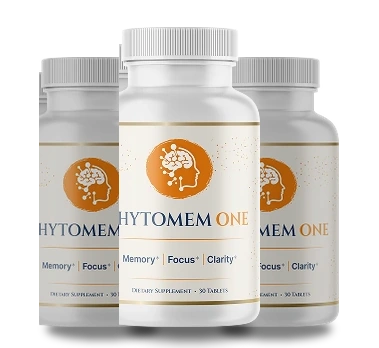
It is sold as one. The bottle prints memory, focus and clarity, and the sales page describes support for neurons and cognitive function. The six named ingredients are studied mostly for blood sugar, weight and mood.
Has the finished Phytomem formula been studied?
No study of these six ingredients together was supplied. Our testing and quality page explains what this site can verify and what it cannot.
What should I do if my memory is changing?
Book an appointment. New forgetfulness has many causes, including sleep, medicines, hearing, mood and thyroid problems. A check-up sorts those out. A purchase does not.
How do I judge a memory product on a shelf?
Check whether amounts are printed, whether the research matches the claim, whether cautions are stated and whether the finished product was tested. Our choosing guide walks through each one.
Does the before-and-after brain image prove anything?
No. The sales page shows a before-and-after brain graphic, and no study behind it was supplied. Treat it as marketing art, not as evidence.
References
- National Center for Complementary and Integrative Health (2023). Berberine and Weight Loss: What You Need To Know.
- National Center for Complementary and Integrative Health (2023). Diabetes and Dietary Supplements: What You Need To Know.
- National Center for Complementary and Integrative Health (2024). Cognitive Function, Dementia, and Alzheimer's Disease: What Does the Science Say?.
- NIH Office of Dietary Supplements (2024). Iodine: Fact Sheet for Consumers.
Ready when you are
Order Phytomem from the authorized outlet
Packs of several sizes, priced on the secure checkout. Every order carries the money-back guarantee printed on the listing. Questions first? Call +1 (302) 200-3480.

Keep reading
Phytomem Memory and Aging Guide
Normal memory change against warning signs, plus sleep, hearing, blood pressure, exercise, company, and where a tablet fits.
Read →Buyer guideChoosing a Memory Supplement
A six-step buyer checklist, then the same checklist applied to Phytomem without flattering it.
Read →BlogBerberine Research
A blood sugar and weight ingredient with a bias problem, three real cautions, and no obvious reason to sit in a memory tablet.
Read →