Blog
Saffron and Mood Research: What It Means for Phytomem
Quick answer
Saffron's human research is about mood. A U.S. Department of Defense review says there is not enough evidence on effectiveness or long-term safety, and that extracts of 20 to 100 mg could help depression symptoms while larger trials are still needed. Phytomem names saffron extract but publishes no amount, so no trial can be matched to this tablet.
What is the saffron in Phytomem One?
Saffron is the dried stigma of a crocus flower, Crocus sativus L. It is the spice that colors rice and costs more by weight than almost anything else in a kitchen.
This tablet lists saffron extract rather than the spice. An extract is a concentrated preparation, which is the form used in the research people point to.
Three things to keep straight
- A kitchen spice and a daily extract are not the same product.
- Trials tested saffron alone, not inside a six ingredient tablet.
- Extract strength changes what a milligram figure means.
What did the saffron trials actually measure?
Mood, mostly depression symptoms. That is the outcome the studies were built around, and it is measured with questionnaires rather than memory tests.
Nobody was asked to recall a word list or find their keys. Reading those trials as evidence for recall stretches them past what they looked at.
| Question a study can ask | Did saffron trials ask it? | What that means here |
|---|---|---|
| Does it change depression symptom scores? | Yes, in small trials (Operation et al., accessed 2026) | This is the research people are citing |
| Does it improve recall or focus? | Not in the reviewed evidence | The memory claim is not carried by saffron |
| Is it safe over years of use? | Long-term safety evidence is not sufficient (Operation et al., accessed 2026) | Open question, not a settled yes |
| Does it prevent cognitive decline? | No supplement has been shown to do this (NCCIH, 2024) | The category answer, not just this plant |
Mood and memory are linked in everyday life. A flat, exhausted week makes anyone forgetful. That is a reason to take mood seriously, not a reason to sell a mood ingredient as a memory one.
What does the Defense Department review say about saffron?
Operation Supplement Safety is the U.S. Department of Defense resource for service members reading supplement labels. Its verdict on saffron is cautious (Operation et al., accessed 2026).
It says there is not enough evidence on effectiveness, and not enough on long-term safety either. Both halves matter.
What doses did those saffron trials use?
The range named in the review is 20 to 100 mg of extract. That is the band described as possibly helping depression symptoms, with larger trials still needed to confirm it (Operation et al., accessed 2026).
A dose range only means something when you can compare it with what you are taking. That is where this tablet runs out of information.
Find the studied range
20 to 100 mg of saffron extract is the figure in the review.
Find the amount in your product
Look for saffron extract on the Supplement Facts panel with a milligram figure beside it.
Compare the two
If the product amount sits far below the studied range, the research does not describe your tablet.
Check the extract type
Extracts differ in strength, so two products with the same milligram figure are not always equal.
Step two is where this product stops. There is no panel to read.
What amount of saffron does Phytomem publish?
None. No Supplement Facts panel was supplied with this product, so saffron extract appears as a name with nothing beside it.
That single gap undoes the comparison above. Without a figure, nobody can say whether one tablet carries a research level amount or a trace.
What the label shows
30 tablets · serving size 1 tablet a day · amounts per serving: not published
| Named ingredient | Amount per serving |
|---|---|
| Saffron extract (Crocus sativus L., stigmas) | amount not published |
| Fucoxanthin (from Japanese sea kelp) | amount not published |
| Fucoidan (from Japanese sea kelp) | amount not published |
| Oleuropein (olive leaf extract) | amount not published |
| Berberine HCl (from plants such as barberry and goldenseal) | amount not published |
| Ceylon cinnamon bark (Cinnamomum verum) | amount not published |
No Supplement Facts panel was supplied with this product, so no milligram figures, no other-ingredients line and no allergen statement can be printed here. Read the panel on the bottle you receive, and call +1 (302) 200-3480 if anything on it differs from this page.
Can you take too much saffron?
Yes. Doses of 5 grams or more are described as causing vomiting, dizziness and other effects (Operation et al., accessed 2026).
Five grams is enormous next to any supplement serving, and no tablet holds it. The figure is still useful, because it shows saffron has a ceiling.

Why the ceiling matters here
- A blank amount means you cannot add up what you take across products.
- Some people stack several supplements that each name the same plant.
- The label says 1 tablet a day with food, and doubling it is not a shortcut.
Taking more of a thin evidence base does not thicken it.
Who should avoid saffron supplements?
Pregnant women, first and clearly. The review tells them to avoid saffron supplements outright.
Everyone else should treat an unknown amount as a reason to ask a question rather than a reason to relax.
- Anyone under 18, since the label is written for adults.
- Anyone on a mood medicine, who should show the full ingredient list to their prescriber.
- Anyone stacking supplements that name saffron, because the totals cannot be tracked here.
The rest of this formula carries its own cautions, from berberine to the kelp ingredients. The side effects page keeps them in one place, and the label page lists everything the product images leave out.
What should you read next?
Two posts and one page carry this further.
Berberine research
A blood sugar and weight ingredient in a memory tablet, and the cautions it brings.
Read more →Supplements and memory
What the science says about the whole category, and what does have evidence.
Read more →What the label leaves out
The missing panel, the missing amounts, and what to check on arrival.
Read more →Saffron and mood: common questions about Phytomem
Is saffron studied for memory?
Not really. The human trials people cite are about mood and depression symptoms, and Operation Supplement Safety says the evidence on effectiveness and long-term safety is not sufficient (Operation et al., accessed 2026).
What dose did the saffron trials use?
Extracts in the range of 20 to 100 mg are the ones described as possibly helping depression symptoms, with larger trials still needed (Operation et al., accessed 2026). That is a range for an extract, not an instruction for this tablet.
How much saffron extract is in Phytomem?
Not published. No Supplement Facts panel was supplied, so the amount per tablet is unknown. Read the panel printed on the bottle you receive and call +1 (302) 200-3480 if it does not match what you expected.
Can you take too much saffron?
Yes. Doses of 5 grams or more are described as causing vomiting, dizziness and other effects (Operation et al., accessed 2026). That is far above any supplement serving, but it is the reason a blank amount is worth questioning.
Is saffron safe during pregnancy?
No. Pregnant women are advised to avoid saffron supplements (Operation et al., accessed 2026). This tablet is written for healthy adults 18 and over, and it is not for anyone pregnant or nursing.
Is the saffron in cooking the same as a saffron supplement?
Not in practice. A pinch in rice is a seasoning. A supplement extract is concentrated and taken daily, which is why the safety questions are asked about the extract and not the spice jar.
Does saffron in this tablet make it a mood product?
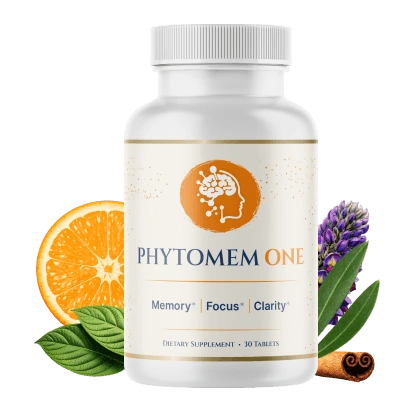
The label does not sell it that way. The front of the bottle says memory, focus and clarity, and the sales page talks about neurons and cognitive function. Our benefits page compares those claims with the evidence behind each ingredient.
Should I take this instead of seeing a doctor about my mood?
No. Low mood that lasts deserves a real appointment. A supplement with an unpublished amount is not a substitute for care, and nothing on this site is medical advice.
References
- National Center for Complementary and Integrative Health (2024). Cognitive Function, Dementia, and Alzheimer's Disease: What Does the Science Say?.
- Operation Supplement Safety, U.S. Department of Defense (accessed 2026). Saffron in dietary supplements.
Ready when you are
Order Phytomem from the authorized outlet
Packs of several sizes, priced on the secure checkout. Every order carries the money-back guarantee printed on the listing. Questions first? Call +1 (302) 200-3480.

Keep reading
Phytomem Ingredients
The six named ingredients, what each one is actually studied for, and the amounts the bottle never prints.
Read →LabelPhytomem Supplement Facts
What the Phytomem One packaging prints, and the long list of label details that were never supplied.
Read →BlogBerberine Research
A blood sugar and weight ingredient with a bias problem, three real cautions, and no obvious reason to sit in a memory tablet.
Read →