Blog
Phytomem Blog: Plain Answers About the Ingredients
Quick answer
The Phytomem blog answers three questions buyers ask most: what berberine is really studied for, what the saffron and mood trials found, and what science says about supplements and memory. Each post starts from the label, cites public sources, and says plainly when a fact is not published.

What can you read on the Phytomem blog?
You can read short posts on the questions people ask before the first tablet. Each one takes a single ingredient or claim and answers it from the label and public research.
Start with any card below. The posts are written to stand alone, so the order is yours.
Berberine: What It Is Actually Studied For
Blood sugar, weight and the risk of bias in the trials, plus the interaction and the groups told to stay away.
Read more →Saffron and Mood Research, Read Honestly
Small trials on depression symptoms, the amounts used in them, and the gap between mood and memory.
Read more →Supplements and Memory: What Science Says
What a federal review of cognitive health reports about supplements, cognitive decline and dementia.
Read more →What does each Phytomem post cover?
Each post handles one question in depth. The table shows what sits behind the title and who gets the most from it.
| Post | Main question | Most useful for |
|---|---|---|
| Berberine, what it is studied for | What has berberine actually been tested on? | Anyone taking medicine, especially for blood sugar |
| Saffron and mood research | How strong is the saffron evidence? | Readers who want the trials, not the slogans |
| Supplements and memory | Can any supplement protect memory? | Anyone worried about recall or a relative's |
How is a Phytomem post written?
Each post is written from the bottle outward. Where a page and the label disagree, the label wins, and anything missing is marked not published.
Sentences stay short and words stay plain. Research is reported as research, never as a promise about this tablet.
Why does the Phytomem blog focus on these three topics?
Because they cover the honest headline of this product. Phytomem is sold for memory, focus and clarity, yet its ingredients are studied mainly for other things.
- Saffron
- Fucoxanthin
- Fucoidan
- Oleuropein
- Berberine HCl
- Ceylon cinnamon
- Blood sugar
- Mood
- Iodine
- Label reading
Ingredients studied for something else
Berberine and Ceylon cinnamon appear in blood-sugar research (NCCIH, 2023). Fucoxanthin sells mostly in weight products, a field where little is known about whether supplements work (NIH ODS). The saffron trials measure mood symptoms (Operation et al., accessed 2026).
What that means for a memory promise
It means the published evidence sits next to the claim rather than under it. Federal reviewers looking at cognitive health found no supplement shown to prevent cognitive decline or dementia (NCCIH, 2024).
Reading a label without amounts
No Supplement Facts panel was supplied, so posts describe each ingredient and stop where the data stop. The label page sets out what is missing.
Where should a new Phytomem reader start?
Start with the question already on your mind. If it is about safety with medicine, open the berberine post. If it is about memory itself, open the science post.
| If you want to know... | Read this first | Then |
|---|---|---|
| Whether a supplement can protect memory | Supplements and memory | Memory and aging |
| What is actually in the tablet | What the label shows | The six ingredients |
| Whether it suits you | Cautions | Who it is for |
| Why berberine keeps coming up | Berberine post | How it works |
| How good the saffron evidence is | Saffron and mood | The label claims |
| How to compare products | Choosing a supplement | Packs and pricing |
Who is the Phytomem blog written for?
It is written for adults weighing a memory supplement for themselves or a parent. It assumes no science background and no loyalty to the brand.
It is not written for anyone hoping a tablet will replace care they already need.
Pros
- Readers who want label facts without the sales pitch
- People comparing this bottle with other memory products
- Anyone deciding whether to raise it with a doctor first
- Buyers who want to know what is missing from the label
Cons
- Anyone looking for a promised memory gain or a timeline
- Readers who want an amount this site cannot confirm
- Anyone under 18, since the label is written for adults
- People who need medical advice, which belongs with a clinician
What does the Phytomem bottle look like?
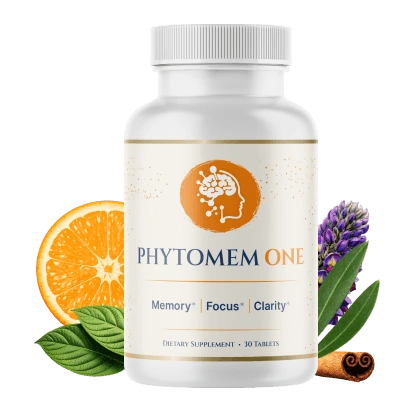
The bottle is white and cream with a gold head-and-leaf mark. The front reads "PHYTOMEM ONE", then "Memory* | Focus* | Clarity*", then "DIETARY SUPPLEMENT - 30 TABLETS".
Knowing the real bottle helps when you read the buying posts. A bottle that looks different, or arrives without a panel you can read, is a reason to stop and call +1 (302) 200-3480.
- 30 tablets, 1 tablet a day
- Six named ingredients on the listing graphic
- Three starred words, each pointing to the FDA statement
- No Supplement Facts panel and no allergen statement
- No expiry date or lot code on the product images
Which Phytomem questions come up most often?
The same handful of questions arrive again and again. Each one has a page or a post behind it.
Will it improve my memory?
Nothing here promises that. The science post explains what federal reviewers found when they looked at supplements and cognition.
Read more →What is in it?
Six named ingredients and no published amount for any of them.
Read more →Is berberine safe with my medicine?
It interacts with cyclosporine and is likely unsafe for infants. Ask a doctor before mixing it with anything.
Read more →Does saffron do anything?
Small trials point at mood, not recall, and reviewers call the evidence thin.
Read more →How do I take it?
Take one tablet daily with food, as shown on the sales page.
Read more →Can I get a refund?
A 60-day money-back guarantee is printed on the listing. Claims start with a phone call.
Read more →What is still not published about Phytomem?
Several useful facts are missing from every source available, and the blog points them out so you can weigh them yourself.
- A Supplement Facts panel, so no amount for any of the six ingredients
- An other-ingredients line or any tablet coating detail
- A manufacturer or distributor name and address
- An allergen statement behind the free-from seals
- Any research on the finished formula
- Any study behind the sales page's before-and-after brain image
If one of these matters to you, ask the order desk at +1 (302) 200-3480 before you buy.
Longer reads sit on the Phytomem guides page, and the FAQ answers 35 short questions.
Phytomem blog: common questions
Who writes the Phytomem blog?
The Phytomemdaily team, a U.S. retail desk for Phytomem. We are not the manufacturer, and we earn money when you buy through this site. See about us.
Where do the facts in each post come from?
The bottle first, then the sales page, then named public sources such as NCCIH, the NIH Office of Dietary Supplements and Operation Supplement Safety. Every post lists its references.
Do the posts promise anything from this tablet?
No. They describe label claims and published research. What one person notices, another may not, and nothing here is guaranteed.
Why are the posts about single ingredients?
Because that is all the published research covers. No study of the finished Phytomem formula was supplied, so a post on the blend would have nothing to report.
How often do new posts appear?
When there is a real question to answer. A few careful posts beat a long list of thin ones.
Can I suggest a topic?
Yes. Write to [email protected], Mon-Fri 9:00am-5:00pm ET. That inbox handles website questions and cannot see orders.
Are these posts medical advice?
No. They are general information. Ask your doctor or pharmacist about your own health, your medicines and any change in your memory.
References
- National Center for Complementary and Integrative Health (2023). Diabetes and Dietary Supplements: What You Need To Know.
- National Center for Complementary and Integrative Health (2024). Cognitive Function, Dementia, and Alzheimer's Disease: What Does the Science Say?.
- NIH Office of Dietary Supplements (2026). Dietary Supplements for Weight Loss: Fact Sheet for Health Professionals.
- Operation Supplement Safety, U.S. Department of Defense (accessed 2026). Saffron in dietary supplements.
Ready when you are
Order Phytomem from the authorized outlet
Packs of several sizes, priced on the secure checkout. Every order carries the money-back guarantee printed on the listing. Questions first? Call +1 (302) 200-3480.

Keep reading
Phytomem Guides
Every Phytomem guide in one place, sorted by what you want to know first.
Read →FormulaPhytomem Ingredients
The six named ingredients, what each one is actually studied for, and the amounts the bottle never prints.
Read →AnswersPhytomem FAQ
35 short answers on the six ingredients, daily use, safety, orders and refunds.
Read →